What is Worldschooling + Tips on Starting
The Misfit Teacher contains affiliate links which means that if you make a purchase using one of these links, I may receive compensation at no extra cost to you. Read my disclaimer for more information.
Wondering what worldschooling is, and how it works? As a (former) school teacher, and a world-travelling parent, I’m going to:
- explain to you what worldschooling is (and what it isn’t)
- explain what worldschooling looks like for different families
- tell you the honest pros and cons of worldschooling
- provide tips on how to get started, if it’s something that interests you
I spent years frequenting the worldschooling groups and online forums before finally being able to worldschool my own kids.
Worldschooling is a rewarding, epic experience for families and it looks different for different people.
Quick Definition of Worldschooling
What is worldschooling? Worldschooling is basically educating your kids, while you travel.
“Worldschooling” is a recently made-up word (only coined in 2007–2008) that involves educating your kids through first-hand, real experiences.
Typically, it means that you remove your kids from traditional school and instead, travel with them while educating them (either educating them yourself, or seeking out education for them online, or in person in the location where you’re travelling.)
What makes worldschooling different from just travelling is that you are crafting an educational experience or program for them during the travels.
Your kids learn languages, geography, history and life skills while travelling, or living abroad.
Worldschooling is a form of alternative education and the way the kids are educated on the world looks different for each family. (Not all worldschooling families do it exactly the same.)
How Do Families Worldschool Their Kids?
Worldschooling is a popular movement, and there are a lot of resources out there to help families who want to worldschool their kids, such as:
- Hubs (called ‘worldschooling hubs’) which are communities of worldschoolers in many countries throughout the world
- Online education platforms and resources, where kids can learn some (or all) school subjects virtually while on the world and travelling with their family
- Homeschooling resources which parents can use to educate their children as they travel
The important thing to remember is that there isn’t one universal way to worldschool. It looks different with each family who does it.
🍎 Some families home-educate their children while they travel.
🍎 Some hire tutors or nannies to help educate them (in person or virtually) on the road.
🍎 Some families worldschool full-time, indefinitely. They have no home base, and simply slow-travel from place to place with their kids.
🍎 Other families may only worldschool for a set amount of time (such as, take 6 months or a year off of school to travel and ‘worldschool’.)
In our case, we took 2 months off from formal school and work to worldschool our kids through in northern Europe.
Who Are These People Who Worldschool Their Children?
I have to admit that being able to worldschool is often rooted in some privilege. But, its not as hard to worldschool as some people think.
I used to think that only really rich people could worldschool their kids, but that isn’t true. People of all walks of life are worldschooling their kids.
🌍The majority of worldschooling families seem to be from North America and Europe
🌍 Some families sell all their assets, house and car in order to take off, travelling full time.
🌍 Some quit their jobs, or take a leave of absence in order to worldschool
🌍 Some parents are qualified teachers, and some aren’t.
🌍 Others maintain a home base (that they may rent out, or leave temporarily empty) while they travel.
🌍 Other families may not own any property in their home country.
🌍 Most parents who worldschool tend to work remotely. Some have their own online businesses that they run themselves, and others have employers that give them the flexibility to work from anywhere.
🌍 Some families choose low-income countries to spend a lot of time in while worldschooling, because of the cheaper cost of living and expense for them.
In order for world schooling to work for you, you need to:
- Be able to support yourself and your family financially during the travels, often remotely because worldschooling involves not having a ‘home base’
- Be able to educate or provide an education for your kids while on the road
3 Examples of Worldschooling
I mentioned earlier that worldschooling can look different for different families; not everyone does it the same.
Here are a few hypathetical examples of how families worldschool, so you can see different scenerios of how it can look:
- Example # 1: Taking a year ‘off,’ and spending a few months in different countries around the world. 3 months in Italy, 3 in France, 3 in southeast Asia, followed by another few months in Australia before heading home. Parents take time off work homeschool doing their travels around the world for this year abroad.
- Example # 2: Parents taking an undetermined amount of time to travel around the globe, while working remotely almost fulltime to fund their travels and lifestyle. The kids are enrolled in an online school, and have an online tutor to help them while their parents are working.
- Example # 3: The parents are focused on ‘unschooling’ and don’t do formal education, but focus on other ways to learn, while they travel via RV around their own country/continent
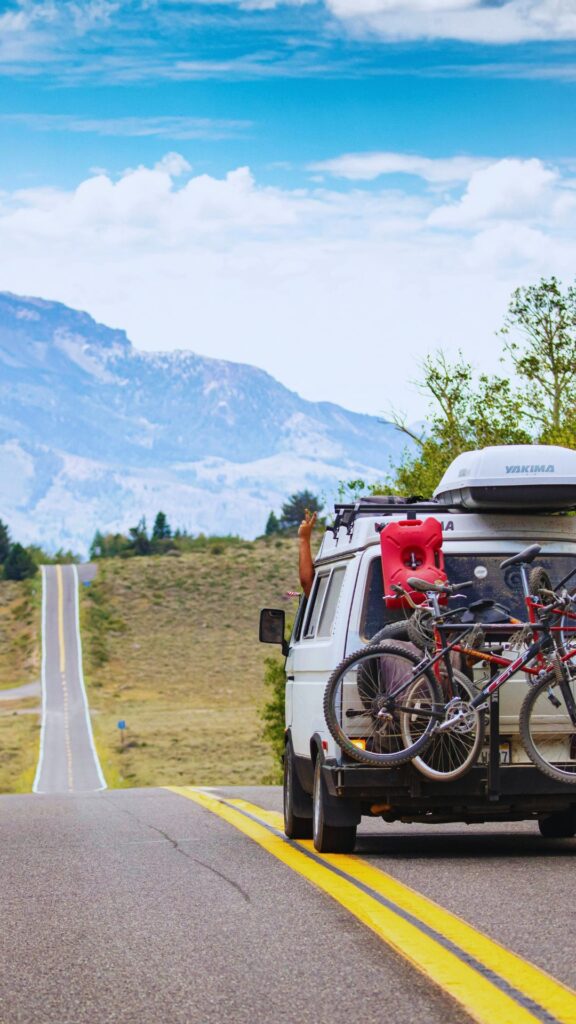
Pro Tip: Worldschooling kind of implies “world travel.” But it doesn’t have to mean going abroad to a different country. Some families world school by travelling around their own country or continent, sometimes via RV or camping.
Pros and Cons of Worldschooling
Worldschooling sounds like a dream to many, and it is in a lot of ways. But there are some cons to think about for this lifestyle before jumping into it. After having done it myself and been apart of the forums for almost a decade, I’m going to share with you the pros and cons of worldschooling that I’ve picked up on over the years.
Amazing Benefits of Worldschooling
- Kids have more opportunities to learn through real-life experiences and sites (for example, being able to see the ruins of Greece rather than only read about them in a textbook)
- The kids are generally able to more time with their families
- They’re exposed to different cultures, languages and ways of doing things
Potential downsides to Worldschooling
- The lack of a fulltime home base. Whether you ‘slow travel’ or move quicjly from place to place
- They may miss out on building long-term relationships (depending on how long you worldschool for.) A lot of people you encounter while worldschooling, whether its in hubs on or on the road, tend to be short-term friendships as people are transient and everyone has different plans
- Unless you start when they’re too young to know any different, then they’re likely leaving behind relationships and things that they miss (pets, friends, teachers, extended family)
Worldschooling Resouces to Get Started
There are tons, and tons of worldschooling communities on the internet. Here are some of the ones I know of/am apart of:
- Worldschoolers – a community for families that share stories, advive and tips
- Worldschoolers House Sit/Rent/Swap/Trips – a group where people around the world post homes for swap, or short term rentals. I’ve seen some amazing places in there
- Teachers Pay Teachers – if you’re going to be educating or tutoring your kids on the road, Teachers Pay Teachers has both free and paid resources
I hope that this article has answered some of your questions about worldschooling and can help get you started on an amazing adventure!